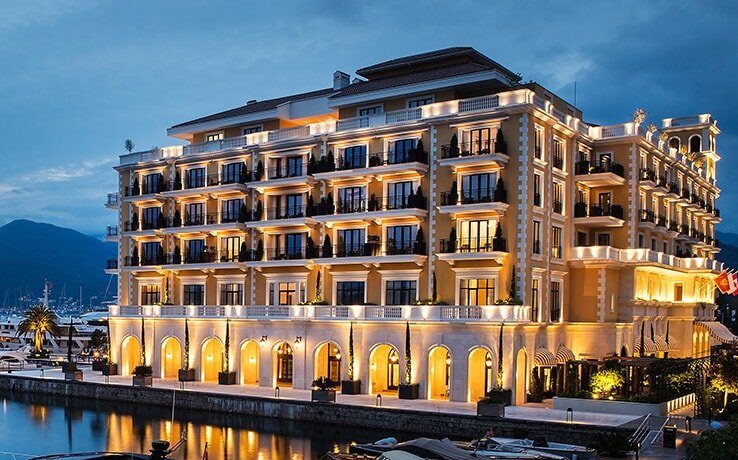
Introduction: Where Journeys Pause and Stories Begin
For as long as humans have wandered, we have needed places to pause—shelters that offer more than just a roof overhead. The modern hotel is far removed from the roadside inns of ancient traders, yet its purpose remains beautifully simple: to turn a temporary shelter into a fleeting sense of belonging. Behind each lobby’s polished marble and every turned-down bed lies an intricate world of design, service, culture, and quiet human connection. Hotels, at their finest, do not merely house us—they host us, shape our memories, and remind us how deeply we crave comfort when far from the familiar.
The Layers of a Hotel: More Than Four Walls
A hotel is a delicate choreography of tangible and intangible elements. The best hoteliers understand that what guests truly take home cannot be wrapped in a bathrobe or bottled in a minibar.
A Sense of Place
The most enchanting hotels reflect their surroundings instead of shielding guests from them. A coastal inn should smell faintly of salt and wood, an urban high-rise should pulse with the city’s energy, a mountain lodge should creak with warmth and whisper of wilderness. Great hotels are local ambassadors, carrying the essence of their neighbourhood into every room.
The Human Touch
No building, no matter how stunning, can outshine genuine hospitality. True luxury is found in the staff who remember how you take your tea or share secret dining spots only locals know. From the bellhop who greets you by name to the housekeeper who folds your clothes with care, it is these quiet gestures that elevate a stay from pleasant to unforgettable.
Attention to Detail
Hotels live or die by their details. The firmness of a mattress, the speed of the Wi-Fi, the softness of towels, the playlist drifting through the bar—these tiny decisions define whether guests feel at ease or vaguely unsettled. Excellence in hospitality means anticipating needs guests don’t yet know they have.
Categories: A World of Hotels for Every Kind of Traveler
The global hotel industry is vast, ever-evolving, and deliciously diverse. One can choose their stay like one chooses a mood.
The Grand Hotel
Timeless and often storied, grand hotels are the crown jewels of cities. Think The Ritz in London, The Plaza in New York, or The Taj Mahal Palace in Mumbai. These are not just places to sleep—they are institutions that have hosted kings and poets, scenes of history unfolding in dining rooms and ballrooms gilded with chandeliers and whispers of the past.
Boutique Hotels
Where grand hotels dazzle with tradition, boutique hotels charm with character. They tend to be smaller, fiercely individual, and rooted in design. One room might be filled with vintage treasures, another might open onto a secret courtyard. Here, travelers trade uniformity for quirk and creativity.
Luxury Resorts
A world unto themselves, resorts promise seclusion and indulgence. Guests might spend days without ever stepping outside the gates—lounging on private beaches, dining under the stars, or floating in infinity pools that melt into jungle or ocean. The best resorts orchestrate experiences: sunrise yoga, candlelit dinners, personalized adventures that linger long after checkout.
Business Hotels
Efficiency reigns here. Located close to airports or corporate hubs, business hotels prioritize connectivity, comfort, and calm. High-speed internet, 24-hour room service, spacious desks, and conference facilities turn a sterile overnight into a productive pause.
Budget Stays and Hostels
Gone are the days when budget accommodations meant dingy rooms and stale bread rolls. Many hostels and budget chains today excel in stylish, social, and sustainable design. They create community—shared kitchens, co-working spaces, rooftop bars where strangers become friends by sunrise.
How Hotels Shape Their Communities
A hotel is more than a private refuge—it is a quiet engine for local economies and culture.
Employment and Opportunity
Hotels provide jobs to local residents—from housekeeping and front desk staff to chefs, gardeners, and tour guides. A well-managed hotel can transform entire neighbourhoods, creating income streams that ripple outward.
Supporting Local Artisans
Many thoughtful hotels integrate local craftsmanship into their spaces: handwoven textiles, locally made ceramics, furniture carved by nearby carpenters. Guests get to touch and admire the region’s creative soul, while artisans find steady demand and wider exposure.
Environmental Stewardship
Modern travelers increasingly weigh sustainability alongside service. Hotels that champion green practices—solar power, zero-plastic policies, farm-to-table dining—show that luxury and responsibility need not clash.
What Guests Want: Shifting Expectations
Travelers today crave more than plush bedding and a stocked minibar.
Personalization
Smart hotels remember your preferences—pillow type, room temperature, even your favourite welcome drink. This data-driven hospitality turns repeat stays into homecomings.
Experiences
Guests value stories they can share. Cooking classes with local chefs, guided night walks through hidden alleys, or sunrise hikes arranged by the concierge add meaning to a stay.
Authenticity
Travelers want to feel they are part of the place, not perched outside it. Hotels that bridge the local and the global—by hiring local staff, showcasing local food, and offering genuine insights—earn guest loyalty that no marketing campaign can buy.
Choosing the Right Hotel: A Traveler’s Checklist
Faced with countless options, choosing wisely is an art in itself.
-
Consider Purpose: A honeymoon demands romance and privacy; a solo work trip calls for strong Wi-Fi and convenience.
-
Read Beyond the Stars: Stars can mislead. Guest reviews often reveal the true vibe—look for repeated praise or complaints.
-
Value Location: A beautiful hotel far from what you came to see can drain both time and joy.
-
Book Direct: Many hotels reward direct bookings with upgrades, free breakfast, or flexible check-in.
Conclusion: The Invisible Threads That Bind Us
In the quiet moments—when you unlock the room at midnight after a long journey, when you sip morning coffee by a sunlit window, when you realise the stranger at the front desk knows exactly how to ease your day—hotels remind us how much the smallest gestures matter. Long after we forget the room number or the breakfast spread, we remember how we felt. That is the subtle, enduring magic of a good hotel: transforming a simple roof into a fleeting home, somewhere between departure and return.
So the next time you slide that key card into the door, pause a moment. Behind that door is not just a bed—it is a promise that wherever we roam, we can always find a corner of the world that feels, if only for a night, like ours alone.