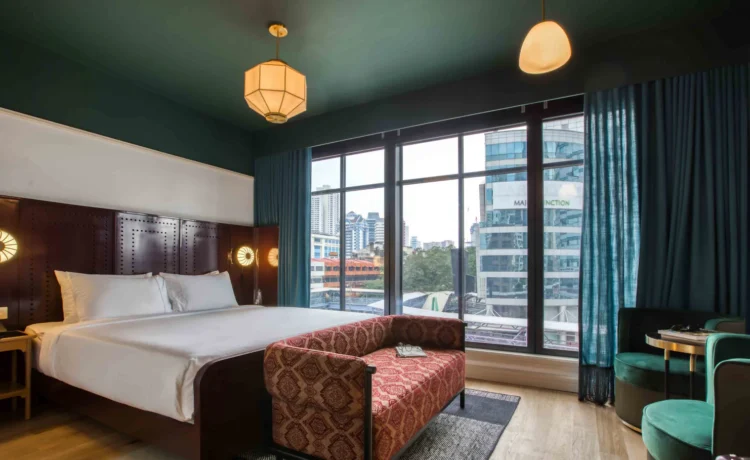
Choosing the right hotel can shape your entire travel experience. Boutique hotels and chain hotels serve different traveler priorities, from atmosphere and personalization to predictability and scale. Understanding how they differ helps you match accommodation with your expectations, budget, and travel goals.
What Defines a Boutique Hotel?
Boutique hotels are typically small, independently owned properties with a strong sense of identity.
Key characteristics include:
- Fewer rooms, often under 100
- Distinctive design and themed interiors
- Strong connection to local culture and neighborhood
- Personalized service and attention to detail
Guests often choose boutique hotels for character, creativity, and a feeling of staying somewhere truly unique.
What Defines a Chain Hotel?
Chain hotels are part of large hospitality brands with standardized offerings across locations.
Common traits include:
- Consistent room layouts and amenities
- Multiple locations across cities and countries
- Structured service standards
- Loyalty programs and brand recognition
Chain hotels appeal to travelers who value reliability and efficiency, especially on tight schedules.
Atmosphere and Design Differences
Design is where the contrast becomes most visible.
Boutique hotels typically offer:
- Custom architecture and interior design
- Locally inspired decor and artwork
- A sense of place tied to the destination
Chain hotels usually focus on:
- Functional, familiar layouts
- Brand-aligned aesthetics
- Comfort through predictability
The choice depends on whether you prefer discovery or familiarity.
Service Style and Guest Experience
Service delivery differs significantly between the two.
Boutique hotel experience:
- More personalized interactions
- Staff often know guests by name
- Flexible policies when possible
Chain hotel experience:
- Streamlined check-in and check-out
- Consistent service procedures
- Clear expectations across locations
Travelers seeking warmth and individuality often favor boutique stays, while efficiency-driven guests lean toward chains.
Location and Accessibility
Both hotel types can be well-located, but they serve different purposes.
Boutique hotels are often found:
- In historic districts or trendy neighborhoods
- Near local cafes, galleries, and markets
Chain hotels are commonly located:
- Near airports, business centers, and highways
- In city centers with easy transport access
Your itinerary often determines which location style works best.
Pricing and Value Considerations
Cost varies widely for both categories, but value is perceived differently.
Boutique hotels may offer:
- Higher prices due to uniqueness and service
- Value through experience rather than scale
Chain hotels often provide:
- Competitive pricing through volume
- Discounts via loyalty programs
Value depends on whether you prioritize experience or cost efficiency.
Amenities and Facilities
Amenities reflect the hotel’s purpose and size.
Boutique hotels may focus on:
- Curated dining experiences
- Stylish lounges and social spaces
- Fewer but thoughtfully designed amenities
Chain hotels usually include:
- Gyms, pools, and business centers
- Multiple dining options
- Conference and event facilities
Your travel needs—leisure or business—play a major role here.
Who Should Choose Which?
Boutique hotels are ideal for:
- Leisure travelers and couples
- Design and culture enthusiasts
- Those seeking memorable stays
Chain hotels are ideal for:
- Business travelers
- Families needing consistency
- Frequent travelers earning loyalty rewards
Neither is better universally—the right choice is situational.
Frequently Asked Questions
Are boutique hotels always more expensive than chain hotels?
Not always. Prices depend on location, season, and demand. Some boutique hotels compete directly with mid-range chains.
Do chain hotels lack personality?
While standardized, many modern chain hotels now incorporate local design elements and regional influences.
Are boutique hotels suitable for business travel?
They can be, especially for short stays, but may lack meeting spaces or business-focused amenities.
Which option is better for international travel?
Chain hotels provide familiarity in unfamiliar destinations, while boutique hotels offer deeper cultural immersion.
Do boutique hotels offer the same safety standards?
Yes. Reputable boutique hotels follow strict safety and cleanliness standards, though procedures may feel less formal.
Can families comfortably stay in boutique hotels?
Some boutique hotels cater well to families, but room size and amenities should be checked in advance.
How do I decide between boutique and chain hotels?
Consider your priorities: experience vs consistency, personalization vs efficiency, and leisure vs practicality.
Boutique hotels and chain hotels both serve a purpose in modern travel. The best choice isn’t about trends—it’s about aligning accommodation with how you want to experience your journey.