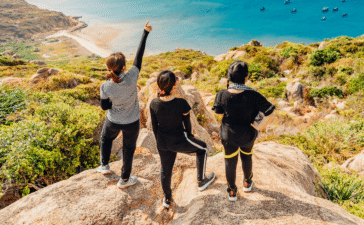
Adventure trips demand more than enthusiasm—they require a body that can handle long hours, uneven terrain, changing weather, and unexpected challenges. Whether you’re planning a multi-day trek, a mountain climb, or a remote backpacking journey, physical preparation is the foundation of a safe and enjoyable experience.
Understand the Physical Demands of Your Trip
Every adventure is different. Preparing effectively starts with knowing what your body will face.
Consider these factors:
- Terrain: steep climbs, rocky paths, snow, sand, or water crossings
- Duration: single-day efforts vs. multi-day endurance
- Load: backpack weight and technical gear
- Environment: altitude, heat, cold, or humidity
Once you identify these demands, you can train with purpose instead of guessing.
Build a Strong Cardiovascular Base
Adventure trips often involve sustained movement for hours. Cardiovascular endurance helps you conserve energy and recover faster.
Effective cardio activities include:
- Hiking or stair climbing with gradual elevation gain
- Running or trail running for aerobic capacity
- Cycling or swimming for low-impact endurance
- Rucking (walking with a weighted pack) to simulate real conditions
Aim for 3–5 cardio sessions per week, gradually increasing time and intensity.
Develop Functional Strength
Strength training reduces fatigue and lowers injury risk, especially when carrying gear or navigating technical terrain.
Focus on compound movements that mimic adventure activities:
- Lower body: squats, lunges, step-ups, deadlifts
- Upper body: push-ups, pull-ups, overhead presses
- Core: planks, Russian twists, farmer’s carries
Train strength 2–3 times per week, prioritizing proper form over heavy weights.
Improve Balance, Mobility, and Flexibility
Uneven surfaces and awkward movements demand good balance and joint control. Mobility also helps you move efficiently and avoid strains.
Include:
- Balance drills: single-leg stands, stability ball exercises
- Mobility work: hip openers, ankle mobility, thoracic rotations
- Flexibility routines: dynamic stretching before workouts and static stretching after
Even 10–15 minutes daily can significantly improve movement quality.
Train With Realistic Conditions
The closer your training matches your trip, the better prepared you’ll be.
Practical strategies:
- Hike with the same footwear you’ll use on the trip
- Practice with a loaded backpack
- Train on uneven trails, hills, or stairs
- Schedule longer sessions that test both stamina and mental focus
This approach conditions not just your body, but your confidence.
Prioritize Recovery and Injury Prevention
Training hard without recovery can derail your plans. Strong preparation includes smart rest.
Key recovery habits:
- Sleep 7–9 hours consistently
- Use active recovery like light walks or stretching
- Fuel workouts with balanced nutrition
- Address minor aches early before they become injuries
Listening to your body is a skill as important as strength or endurance.
Prepare Gradually and Stay Consistent
Adventure fitness isn’t built overnight. A steady, progressive approach works best.
General timeline guidance:
- 8–12 weeks for moderate trips
- 12–20 weeks for demanding or high-altitude adventures
Consistency beats intensity. Small, regular efforts compound into strong performance on the trail.
Frequently Asked Questions
How far in advance should I start training for an adventure trip?
Most people benefit from starting at least 8–12 weeks before the trip, with longer preparation for high-altitude or multi-day expeditions.
Do I need gym equipment to prepare physically?
No. Many effective exercises—such as hiking, bodyweight strength training, and mobility work—can be done outdoors or at home.
Is hiking alone enough to prepare?
Hiking is excellent, but combining it with strength, balance, and mobility training creates more complete preparation and reduces injury risk.
How heavy should my training backpack be?
Start light and gradually increase to 70–90% of your expected trip weight, allowing your body time to adapt safely.
What if I’m new to fitness?
Begin with low-intensity activities and shorter sessions. Gradual progression and consistency matter more than starting level.
How do I avoid overtraining before my trip?
Schedule rest days, vary workout intensity, and reduce training volume during the final 7–10 days before departure.
Should I train differently for altitude-based adventures?
Yes. While fitness helps, altitude adaptation also requires slow ascent, hydration, and pacing, which training alone cannot replace.
Preparing physically transforms an adventure from a struggle into a rewarding experience. With thoughtful training, your body becomes a reliable partner—ready to explore, adapt, and thrive wherever the journey leads.