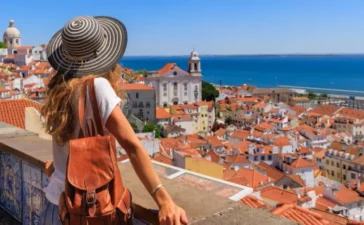
The allure of travel is timeless, and for many, it has become more than just an occasional escape—it’s a lifestyle. The idea of living a life where exploration, new experiences, and adventure are seamlessly integrated into daily routines has captivated people across the world. A travel lifestyle is about embracing freedom, prioritizing experiences over possessions, and finding joy in the journey itself. But what does it truly mean to live a travel-centric life? How can one embrace a lifestyle filled with exploration without sacrificing comfort or stability? In this article, we delve into the essence of the travel lifestyle, offering insights and practical advice for those looking to live on the move.
The Essence of the Travel Lifestyle
At its core, a travel lifestyle is about choosing experiences over material possessions. It’s about breaking free from traditional norms of work, home ownership, and the typical 9-to-5 routine. For some, it’s about exploring new cultures, savoring exotic cuisines, and wandering through foreign landscapes. For others, it’s about connecting with people, learning new skills, and gaining a broader perspective on the world.
However, embracing a travel lifestyle isn’t about being perpetually on the road or visiting every corner of the globe in a whirlwind. It’s a mindset—a decision to embrace flexibility, curiosity, and discovery in your everyday life.
Why Choose a Travel Lifestyle?
There are many reasons people gravitate towards the travel lifestyle, but some of the most compelling include:
-
Personal Growth and Self-Discovery: Traveling exposes you to different cultures, ideologies, and ways of life. The challenges that come with adapting to new environments, overcoming language barriers, or navigating unfamiliar places foster immense personal growth. The more you step outside of your comfort zone, the more you learn about yourself and the world around you.
-
Freedom and Flexibility: One of the most appealing aspects of a travel lifestyle is the freedom to create your own schedule. The traditional constraints of work and home life are no longer a limiting factor. Whether you’re working remotely, freelancing, or taking sabbaticals, this lifestyle allows for unprecedented flexibility.
-
A Shift in Priorities: By embracing the travel lifestyle, many people find that their priorities shift. Material goods take a backseat to experiences and memories. The desire for a large home or a luxury car fades in favor of the ability to explore new destinations and connect with diverse cultures.
-
Fulfilling Relationships: Traveling often brings people together in unexpected ways. Whether it’s through shared experiences with fellow travelers or building connections with locals, the travel lifestyle fosters meaningful relationships. You learn to appreciate the beauty of human connection across different cultures.
How to Embrace the Travel Lifestyle
Transitioning to a life on the move requires more than just booking flights or packing a bag. It involves careful planning, a flexible mindset, and a willingness to adapt. Here’s how you can start living a travel-centered life.
1. Transition to Remote Work
In today’s digital age, more people are working remotely than ever before. The rise of online businesses, freelance opportunities, and remote positions across various industries has made it easier for individuals to earn a living while traveling.
-
Identify Remote Opportunities: Start by assessing your current job or skillset. Can it be done from anywhere? Many industries, such as marketing, design, content creation, and tech, offer remote positions. Freelancing platforms like Upwork, Fiverr, and Freelancer allow people to work with clients from around the world, often without ever meeting face-to-face.
-
Create a Flexible Schedule: Remote work is about flexibility. Rather than working in a fixed office from 9 AM to 5 PM, embrace the idea of setting your own hours. Many remote workers choose to work during off-peak hours, allowing them to explore their destinations during the day.
-
Maintain Consistency: Though the work is flexible, consistency is still important. Set clear boundaries for when and how you work to ensure productivity, especially in environments where distractions are plentiful.
2. Downsize Your Possessions
One of the most powerful aspects of the travel lifestyle is learning to live with less. When you’re constantly on the move, there’s little room for excess belongings.
-
Declutter Your Home: Start by going through your possessions and deciding what you truly need. Think about the items that bring you joy and those that you can live without. This process of downsizing is incredibly liberating and helps you focus on what truly matters: experiences, not things.
-
Invest in Quality, Not Quantity: Instead of accumulating items, invest in durable, high-quality essentials that will serve you well on your travels. A comfortable backpack, versatile clothing, and tech gadgets that can keep you connected are just a few examples of what to prioritize.
-
Embrace Minimalism: Minimalism is key to the travel lifestyle. The less you own, the less you’re tied down. This allows for a more spontaneous, less stressful way of living. The freedom of only packing what you need will change how you view possessions.
3. Choose Budget-Friendly Travel Options
Traveling can be expensive, but a lifestyle of continuous exploration doesn’t have to break the bank. With the right strategies, you can make travel both affordable and enjoyable.
-
Travel Off-Peak: Avoid the high-season crowds and costs by traveling during the off-peak seasons. Airfare and accommodation rates tend to drop significantly during these times, allowing you to travel for less.
-
Use Budget Accommodation: Consider hostels, homestays, or short-term rentals instead of expensive hotels. Websites like Airbnb or Couchsurfing offer unique, budget-friendly accommodations where you can meet locals or fellow travelers.
-
Slow Travel: Rather than rushing from one destination to the next, consider staying longer in each place. This not only allows you to truly experience the culture but also reduces transportation costs. Slow travel offers deeper connections with places and people.
-
Frequent Flyer Miles and Travel Deals: Take advantage of loyalty programs, credit card points, and discounted travel deals. Apps like Skyscanner, Google Flights, and Hopper can help you find the best deals on flights.
4. Prioritize Health and Wellness
Living a travel lifestyle means constantly being on the move, and this can take a toll on your physical and mental health. To maintain well-being while traveling, it’s important to stay proactive.
-
Stay Active: Incorporate regular physical activity into your routine. Whether it’s exploring a new city by foot, hiking in the mountains, or practicing yoga, staying active will keep your energy levels up and help you feel grounded in unfamiliar environments.
-
Eat Well: Traveling doesn’t mean you have to sacrifice healthy eating. Look for local, fresh produce and explore farmers’ markets. Even on the go, you can prepare nutritious meals with minimal ingredients, reducing reliance on fast food or processed options.
-
Practice Mindfulness: Traveling can sometimes feel overwhelming, especially when dealing with jet lag, language barriers, or unfamiliar environments. Meditation, journaling, and regular mindfulness practices can help you stay centered and manage stress.
5. Foster Meaningful Connections
Travel isn’t just about sightseeing—it’s about connecting with people from all walks of life. The relationships you form on your travels can profoundly enrich your journey.
-
Engage with Locals: Be open to conversations with locals. Whether it’s striking up a chat at a café or learning about their culture through guided tours, immersing yourself in the community is one of the most rewarding aspects of travel.
-
Join Travel Communities: There are countless online communities for travelers, such as Facebook groups, Reddit threads, and forums dedicated to nomadic lifestyles. These communities offer support, advice, and opportunities to connect with others who share the same travel aspirations.
-
Build Long-Term Relationships: Traveling offers the opportunity to build lasting friendships, whether with other travelers or locals. These connections can provide emotional support, offer new perspectives, and even lead to future travel opportunities.
Challenges of the Travel Lifestyle
While the travel lifestyle offers immense rewards, it also comes with its own set of challenges. Constant travel can lead to feelings of loneliness, the struggle of adjusting to new time zones, or the challenge of maintaining a consistent routine. To combat this, it’s essential to develop a strong sense of resilience and adaptability. Having a balance between work and exploration, setting personal goals, and maintaining a connection with home can help you navigate these challenges.
Conclusion: Crafting Your Travel-Fueled Life
Adopting a travel lifestyle is more than just packing your bags and heading off to new destinations. It’s about embracing a mindset that values experiences over possessions, flexibility over routine, and human connection over isolation. It requires careful planning, financial prudence, and an open heart to fully immerse yourself in the wonders of the world. By making intentional choices, prioritizing your health, and remaining adaptable, you can curate a life that is rich in experiences, adventures, and lasting memories. Living a travel lifestyle isn’t just about visiting new places—it’s about creating a new way of living, where the journey is as valuable as the destination.